
"Harar beans"
700 article(s) found

Cedar Mochizo Coffee Manor Flavor description Variety characteristics Grinding degree treatment method
The main producing areas of Ethiopian coffee are Harald (Harar) in the east, Djimmah (southwest) and Sidamo (south). The unique fragrance of Yirgacheffe comes from Yirga, a small town in the northwest of Sidamo province. Yirgacheffe Coffee Raw beans are the most popular coffee in the world.

Story of Shepherd Coffee Bean in Xidamo Guji producing area in the Sun _ description of Sidamo Shepherd Coffee Flavor
Professional coffee knowledge exchange more coffee bean information Please pay attention to Coffee Workshop (Wechat official account cafe_style) Sidama is located in southern Ethiopia, the landscape is so varied that each town has its own characteristics and diversity of coffee flavor. Shakisso is located in the Guji producing area of West Dharma, southeast of Yejia Sheffield.

The highest coffee flavor in Ethiopia introduces the coffee quality in the Harald Highlands.
For the exchange of professional baristas, please follow the coffee workshop (Wechat official account cafe_style) Harald (Harar) is 1600mur2400 meters above sea level, and the Harald Heights in eastern Ethiopia is one of the highest elevation areas for coffee grown by humans (some even claim to be as high as 2000mur2700 meters). Across the Gulf of Aden, overlooking the two ports of Moka and Aden in Yemen. For centuries, Harald coffee farmers have used camels

Introduction to the differences and characteristics of deep roasting and shallow baking of coffee beans
The difference and characteristics of deep roasting and light roasting of coffee beans introduce the origin of Ethiopian century-old coffee TOMOCA mocha beans: Ethiopia Ethiopia cooked beans, harar-long bean roasted very authentic, full-bodied and irritating. Coffee roasting is very interesting, easy to learn but not easy to go deep into. It is a field that is easy to learn but difficult to master. Humans have thousands of things about wine and tea.

Introduction to the flavor description and grinding characteristics of Ethiopian coffee varieties in producing areas
Grade of Ethiopian coffee: Ethiopian washed coffee Yega Chuefei G1 G2 Sidamo (Yirgacheffe, Sidamo) has the highest grades 2 and 3 (G2, G3), while sun-processed coffee in eastern Ethiopia is mostly grade 4 or 5 (G4, G5). In many cases, level 4 coffee is marked as level 5 in order to reduce taxes. At present, the classification is not uniform and there are

Coffee flavor description and grindability characteristics of Yega Ficher Manor in Ethiopia
Ethiopia is recognized as the birthplace of coffee and the birthplace of all kinds of coffee we taste today. it plays an important role in the history of coffee development. Legend has it that in the sixth century AD, an Arab shepherd came to the Ethiopian grasslands for grazing. He found that sheep became extremely active after eating a local red fruit. The shepherd himself tasted some. He thinks

The smell of flowers and plants in Sidamo Tedder Manor Coffee Flavor Description Grind Variety Features Introduction to the region
The main coffee producing areas in Ethiopia are Harar in the east, Djimmah in the southwest and Sidamo in the south. Yirgacheffe, which has a unique aroma, comes from a small town called Yirga in the northwest of Sidamo province. Yirgacheffe is one of the most popular coffee beans

Ethiopian coffee beans are of high quality, very diverse flavor and shallow roast Yirgacheffe.
Boutique coffee (specialty coffee) is also called specialty coffee selection coffee. It refers to coffee made from a small number of raw beans with excellent taste grown in an ideal geographical environment. Depending on the special soil and climatic conditions in which they grow, they have outstanding flavor. After strict selection and classification, this kind of coffee is hard in texture, rich in taste and stylish.

What kind of coffee is Ethiopian tomoca coffee? hand-made coffee sharing the characteristics of Sidamo coffee
Professional coffee knowledge exchange more coffee bean information please follow the coffee workshop (Wechat official account cafe_style) front street-Essex tomoca coffee, Sidamo coffee brewing sharing Ethiopia, is the birthplace of coffee in the world. When it comes to coffee, we have to mention Ethiopia, and when it comes to Ethiopian coffee, we have to mention TOMOCA Coffee. Even though there are all kinds of things on the market.

Ethiopia, where coffee is produced Sidamo Charkiso flavor description processing method Introduction
Ethiopia where rich in coffee Sidama Shaqisuo producing area flavor description of the treatment method introduced coffee as pure as a thoroughbred horse Ethiopia in different climatic zones have coffee, so there are more than 140 farm varieties, perennial fresh coffee production. The quality of Ethiopian coffee varies according to different altitudes and geographical ecological environments. Harar in the Southeast Highlands

There are several coffee farms in Ethiopia's coffee-producing countries
Grade of Ethiopian coffee: Ethiopian washed coffee Yega Chuefei G1 G2 Sidamo (Yirgacheffe, Sidamo) has the highest grades 2 and 3 (G2, G3), while sun-processed coffee in eastern Ethiopia is mostly grade 4 or 5 (G4, G5). In many cases, level 4 coffee is marked as level 5 in order to reduce taxes. At present, the classification is not uniform and there are
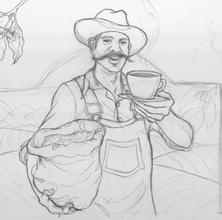
Introduction to the Variety characteristics of Coffee Flavor description method in Sidamo Shachisuo, Ethiopia
Sidamo coffee beans Ethiopia is the hometown of Arabica coffee, and it is in the forests of the Kaffa region that you can see wild Arabica coffee. In Ethiopian, coffee is called Bun or Buna, and coffee beans (coffeebean) may be translated from Kaffa Bun. Arabica was discovered early in Harald (Harar).

Introduction to the unique flavor and taste characteristics of Ethiopian coffee manor
A large amount of coffee production (95%) is done by small shareholders, with an average yield of 561 kg per hectare. For centuries, minority holders of Ethiopian coffee farms have been producing a variety of high-quality types of coffee. The secret of producing high-quality coffee is that coffee growers have developed environmental conditions through generations of repeated learning about the coffee planting process.

Introduction of Coffee Rose Summer Coffee of death wish Coffee in Sidamo, Ethiopia
The main producing areas of Ethiopian coffee are Harald (Harar) in the east, Djimmah (southwest) and Sidamo (south). The unique fragrance of Yirgacheffe comes from Yirga, a small town in the northwest of Sidamo province. Yirgacheffe coffee raw beans are the world

Introduction to the description of Flavor of Ethiopian Coffee Bean by Variety treatment
Ethiopia grows coffee in different climatic zones, so it has more than 140 farm varieties, and fresh coffee is produced all the year round. The quality of Ethiopian coffee varies according to different elevations and regional ecological environment. The Harar coffee in the southeast highland is a typical Muha coffee with a strong flavor; the coffee produced in the southwest Wollega has a rich fruity flavor; Limu coffee

Ethiopian (mocha) coffee
The geographical environment of Ethiopia is very suitable for coffee growth. Mocha coffee is mainly grown in the southern highlands between 1100 and 2300 meters above sea level. The main coffee producing areas are Harar, Limu, Djimma, Sidamo, Kaffa, Yergacheffe and Wellega.

Yerga Sherphine Kocher Manor Coffee Flavor Description Processing Variety Characteristics
In the mid-13th century, Ethiopia was already using the pan as a coffee roasting tool, leading the development of coffee culture. Harar is an ancient city with a long history and one of the four holy cities of Islam. Harar was the historical capital of Ethiopia. In the case of underdeveloped means of transportation, especially
Test report on coffee bean cups produced in East Africa
The characteristics of good coffee produced in East Africa are so strong that coffee from other regions of the world is relatively mild, such as Kenya's super-full wine flavor and Ethiopian Yega Snow Coffee, which is full of amazing floral aromas. these are examples of this kind of strong performance, and it is almost impossible to find a coffee produced in East Africa that is mild.
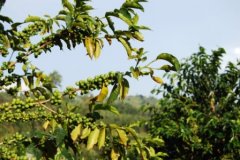
Ethiopia emphasizes fruity and floral boutique coffee
In fact, according to Ms. Knudsen, people started drinking fine coffee, but later, due to the growing demand for coffee, the discovery and use of new coffee varieties led to the decline of coffee quality. later, people even began to dislike this bad coffee and began to turn to other drinks. In this case, Ms. Knudsen's re-recognition
History of Coffee in Arab East Africa
[Ethiopia] the highlands of Ethiopia are the birthplace of coffee. The traditional drying method is still used to produce mocha-Hara beans (Harrar,Harari,Harer or Harar) at an altitude of about 2,000 meters near Harrar in the east. Hara has a medium texture and a fruit wine-like flavor, and a good Hara is as wild as the best Yemenmoka.